
Glacier Lake: An easy day hike or scenic campsite in Banff
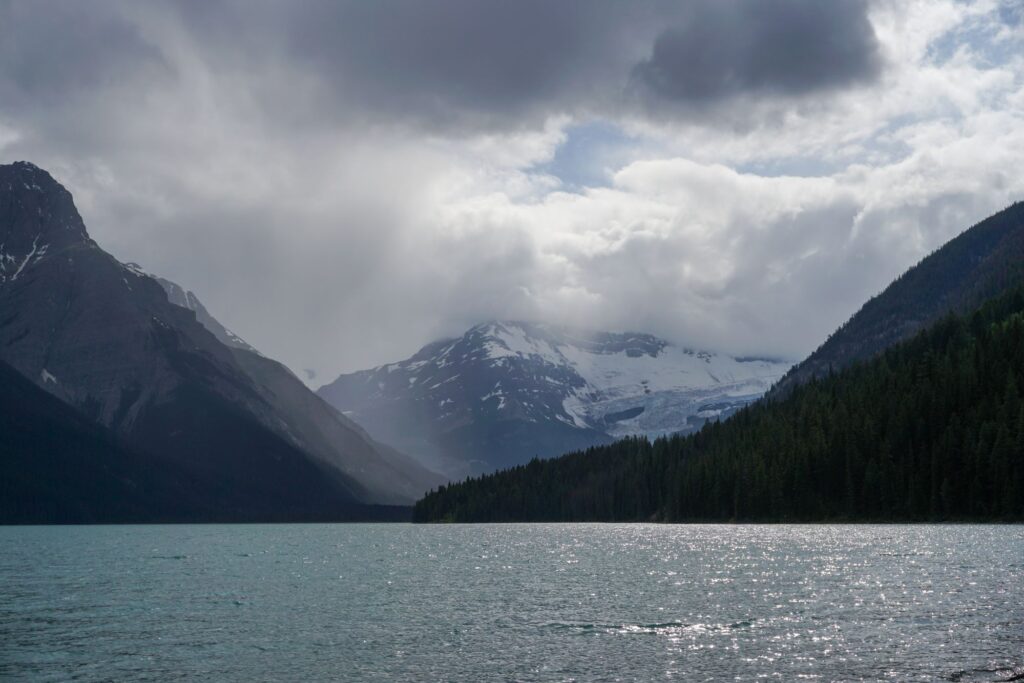
Glacier Lake in Banff National Park offers one of the most rewarding overnight hiking experiences in the Canadian Rockies. This backcountry campground sits beside a stunning glacier-fed lake surrounded by towering peaks—and the best part? You may even have it almost entirely to yourself.
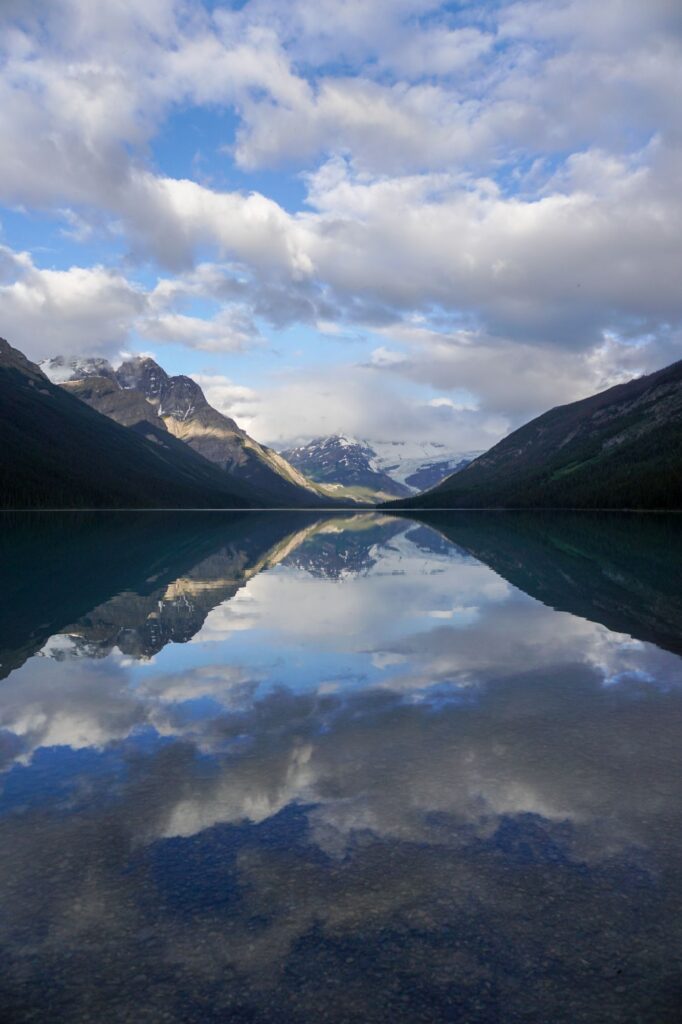
While it can be done as a day hike, staying overnight gives you the chance to experience the magical sunrise reflections on the lake’s glassy surface.
Quick Trail Info
Trailhead: Glacier Lake parking area, off Highway 93 (Icefields Parkway)
Distance: ~13 km round-trip
Time: 3–5 hours to campground (one way) | 6–8 hours as a day hike
Elevation Gain: ~435 meters
Difficulty: Moderate
Crowds: Very Low
Permits Required: Yes for camping – book your backcountry camping permit through Parks Canada. It’s recommended to book months in advance (starting in January), as reservations fill up quickly. You also need a Park Pass as it’s in Banff National Park.
Best for: First-time backpackers, photographers, solitude seekers
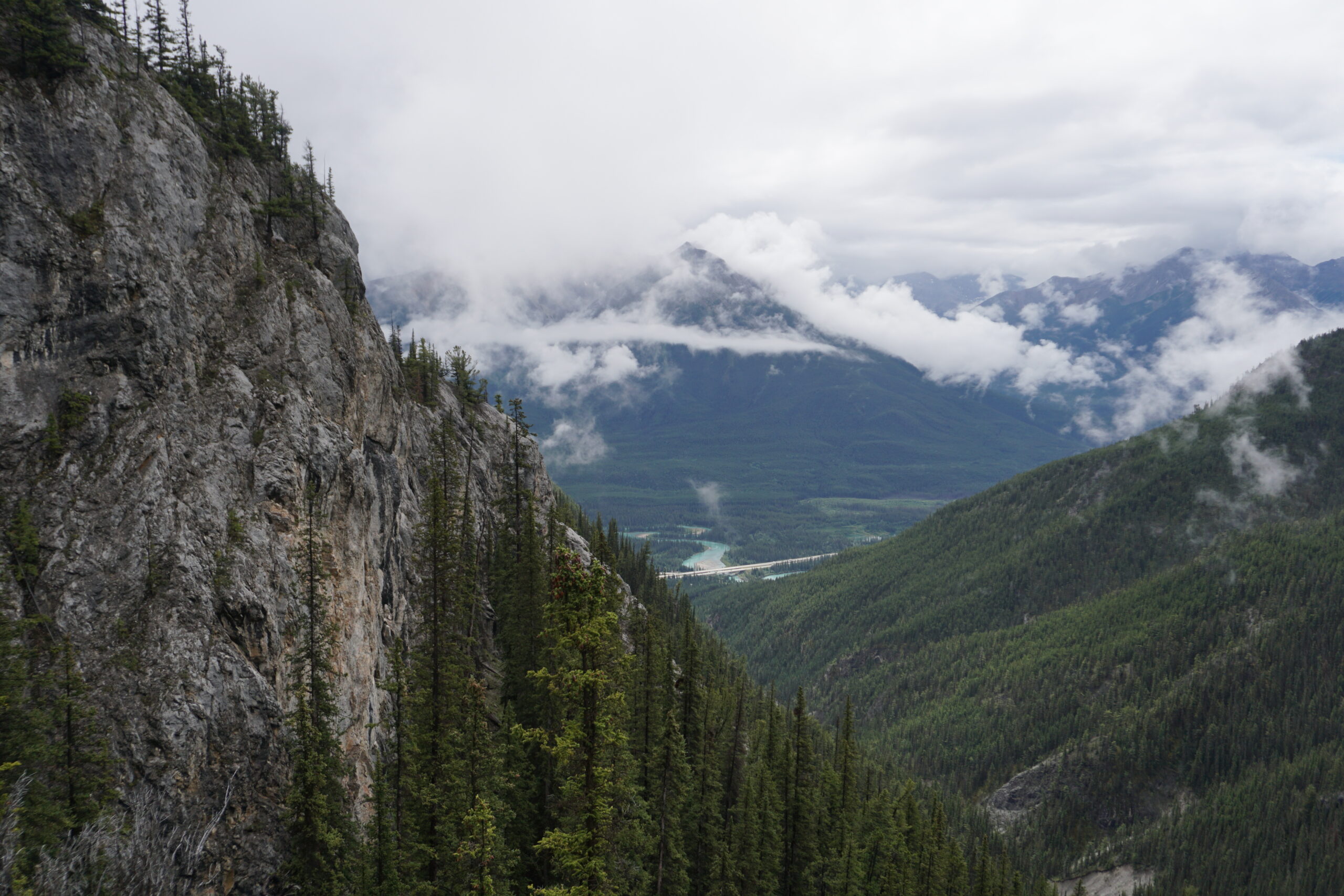
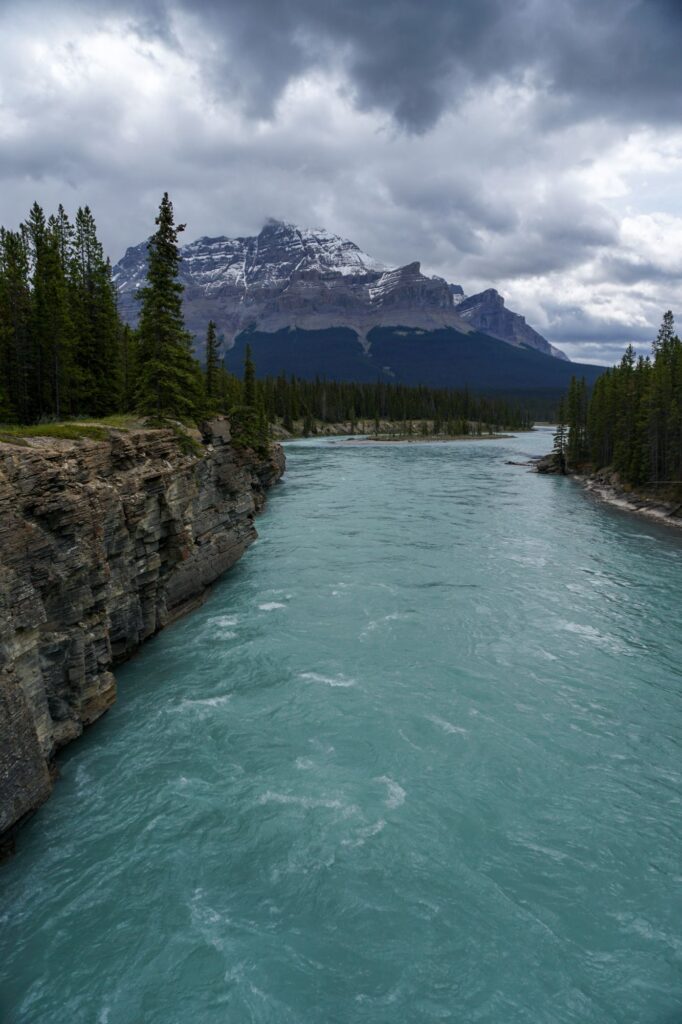
The trail gradually climbs through dense forest before opening up to reveal the brilliant blue waters of Glacier Lake. Expect a steady uphill with a fully loaded pack, so take your time and pace yourself accordingly.
Day Hike vs. Camping: Which Should You Choose?
Day Hike: Totally doable if you start early and maintain a steady pace. You’ll get to see the lake’s stunning blue waters and surrounding peaks without the need for camping gear.
Camping: This is where the magic really happens. Camping at Glacier Lake means you’ll experience the serene evening atmosphere and—most importantly—possibly wake up to beautiful sunrise reflections on the water. The morning light creates an almost surreal scene that day hikers will miss entirely.
For photographers and anyone seeking true solitude, the overnight option is absolutely worth it.
What to Expect on the Trail
The Hike In
The trail to Glacier Lake is well-maintained but can feel considerably longer with a heavy backpack—especially if this is your first overnight hike. The weight distribution takes some getting used to, so make sure your pack is properly fitted and adjusted before you set out.
Pro tip: Start early in the day to avoid the heat and give yourself plenty of time to reach camp, set up, and relax.
Bugs Can Be Intense
Mosquitoes are extremely active along this trail, particularly in late June and early July. Bring high-strength insect repellent and reapply often. The bugs can make it difficult to take breaks on the trail, so consider wearing long sleeves and a bring mosquito spray if you’re hiking during peak bug season.
At the Campground
Glacier Lake Backcountry Campground has just a handful of tent pads, so you’re almost guaranteed a peaceful, crowd-free experience. During our visit, there was only one other group at the lake—making it feel like our own private alpine paradise.
The Campground also has metal bear lockers for you to use.
Campsite Essentials
Tent setup: Make sure your rainfly is properly staked. We experienced rain overnight, and a well-set-up tent kept us completely dry.
Water: Bring a reliable backcountry water filter or purification tablets.
Cooking gear: If you’re planning to use a backpacking stove, test all your equipment before the trip.
Weather to Expect
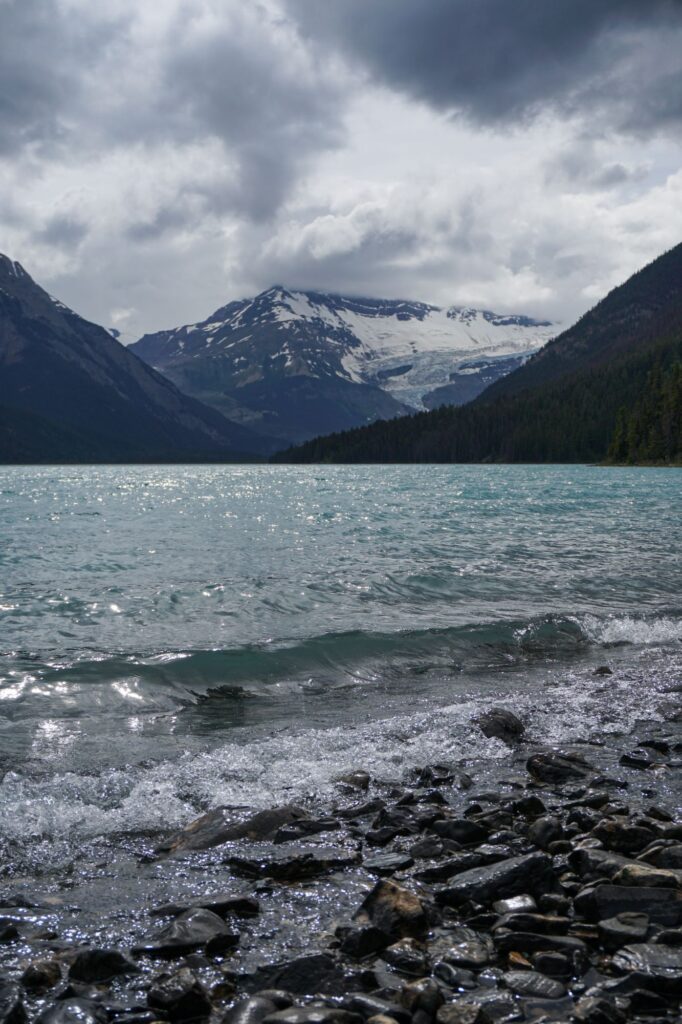
Weather in the mountains can be unpredictable. We experienced cold, overcast, and rainy conditions—which actually made the atmosphere beautifully moody. Pack layers, rain gear, and be prepared for any conditions, especially if camping overnight.
The Views: Worth Every Step
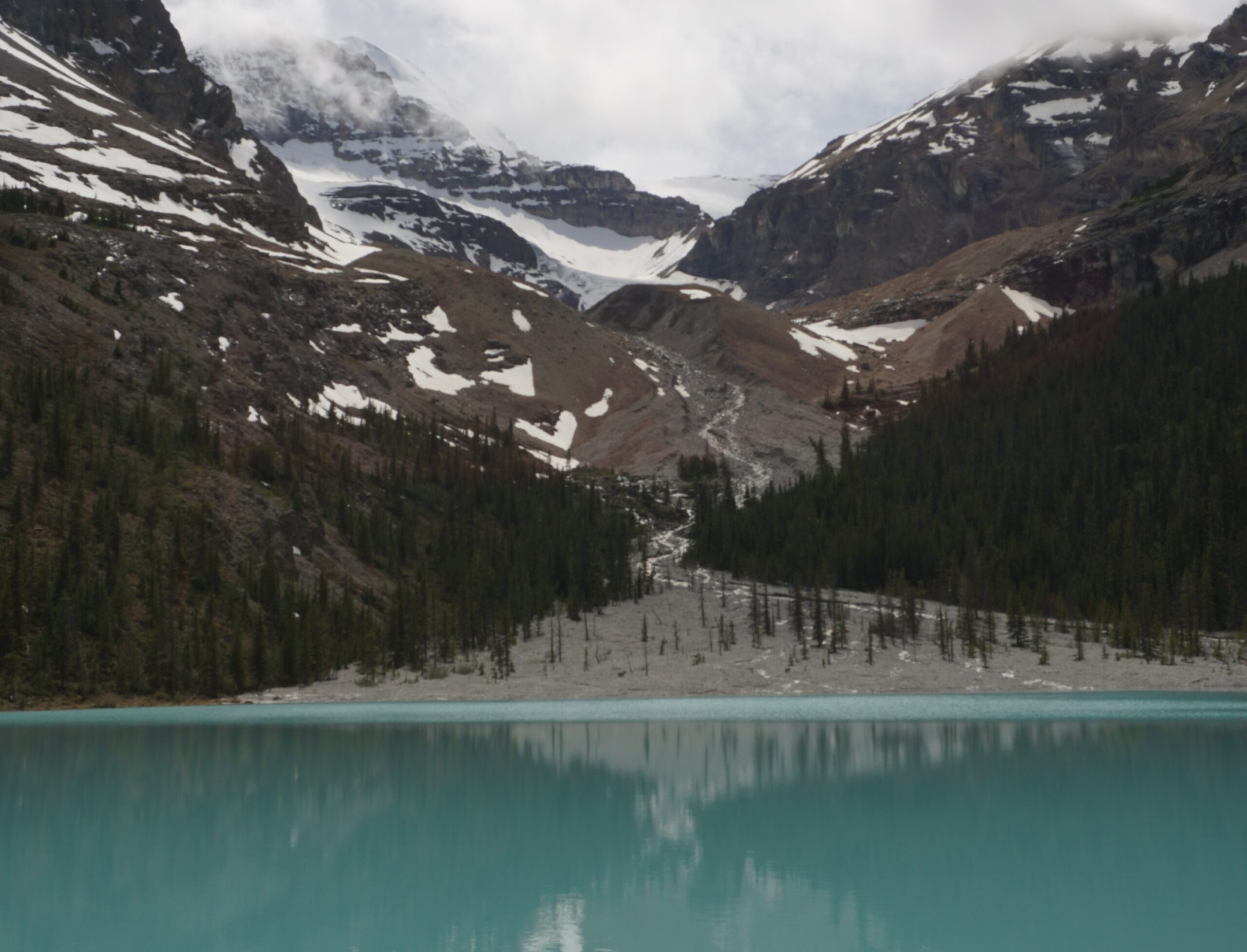
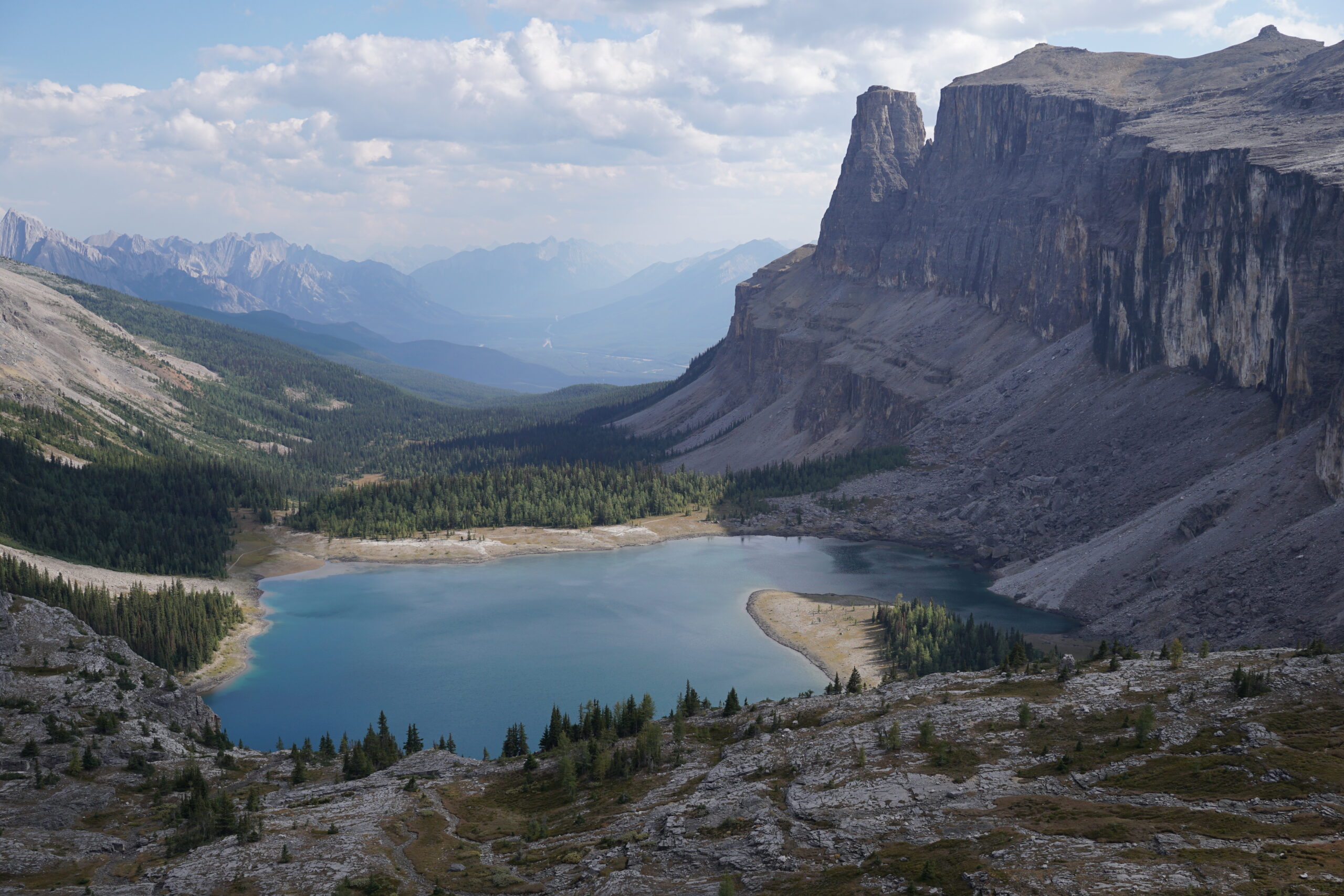
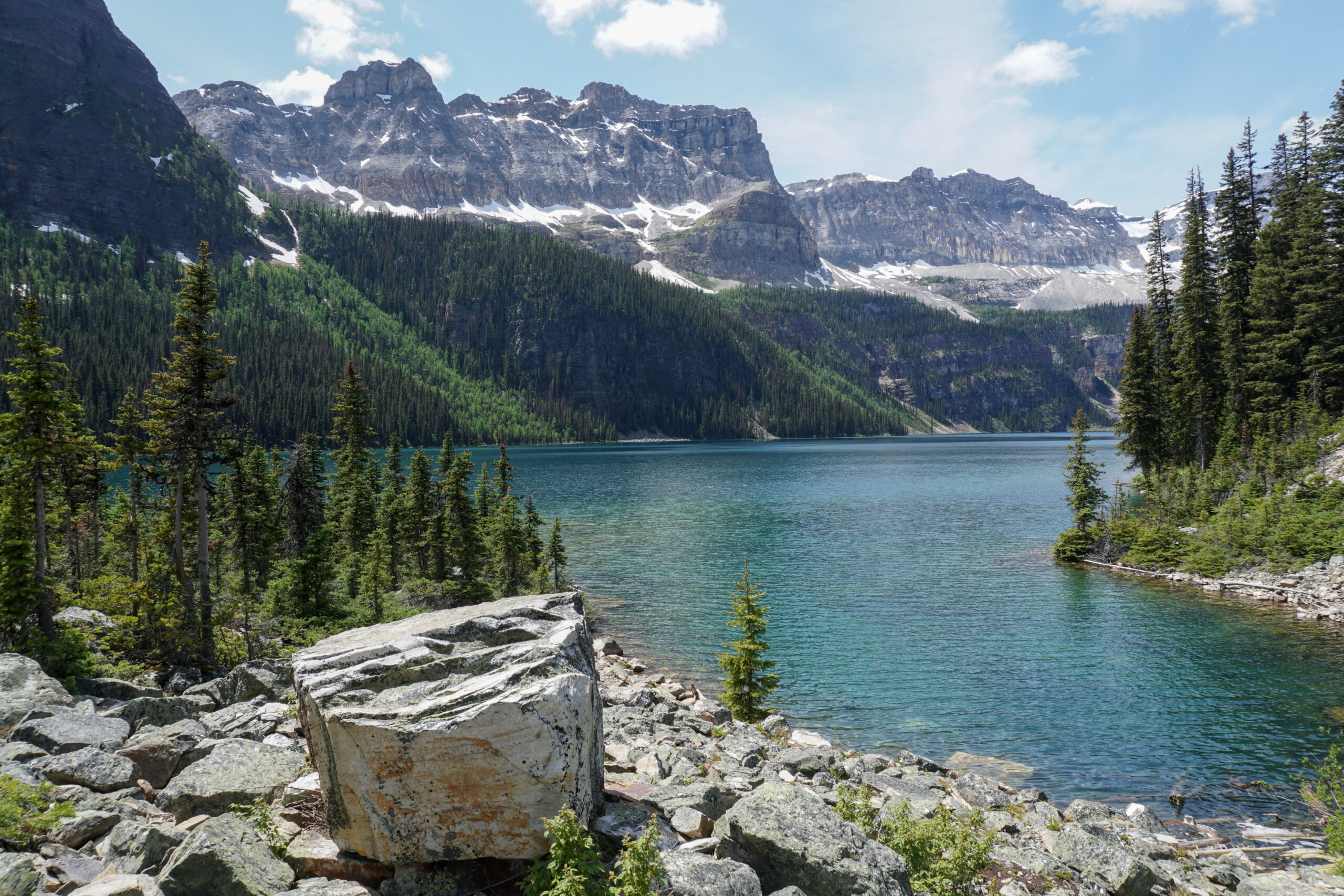
Glacier Lake lives up to its name with striking glacial-blue water surrounded by rugged mountains. The serene atmosphere and total lack of crowds make it the perfect place to unwind after a long day on the trail.
Wildlife: Be Bear Aware
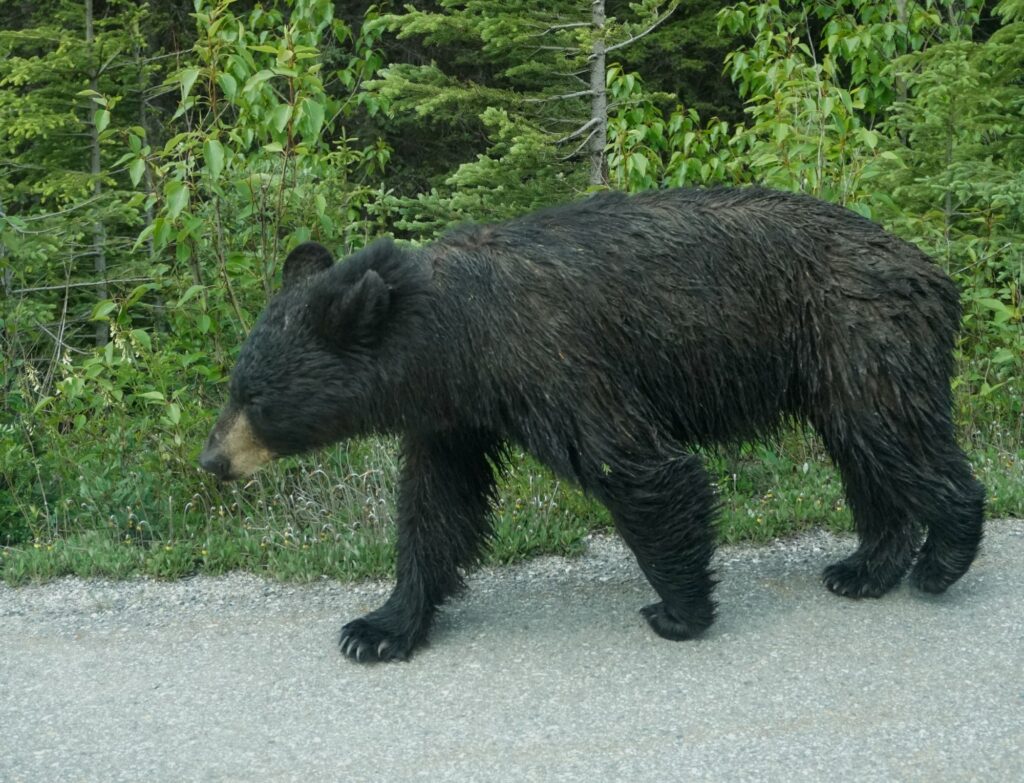
Banff’s backcountry is bear country. On the drive back, we had an incredible close encounter with a black bear right along the Icefields Parkway—one of the most memorable wildlife sightings of the trip.
Bear Safety Tips:
Always carry bear spray and know how to use it
Store all food and scented items in the bear lockers provided at camp
Make noise on the trail, especially in dense forest or near streams
Never approach or feed wildlife
For more detailed safety information, check out Parks Canada’s bear safety guidelines.
Nearby Hikes & Stops
If you’re spending time in this area of the Icefields Parkway, consider combining your Glacier Lake trip with these nearby gems:
Bow Glacier Falls
Distance: ~9 km round-trip
Time: 3–4 hours
Difficulty: Moderate
Trailhead: Num-Ti-Jah Lodge at Bow Lake
A stunning trail that follows the moraine to a massive waterfall at the base of Bow Glacier.
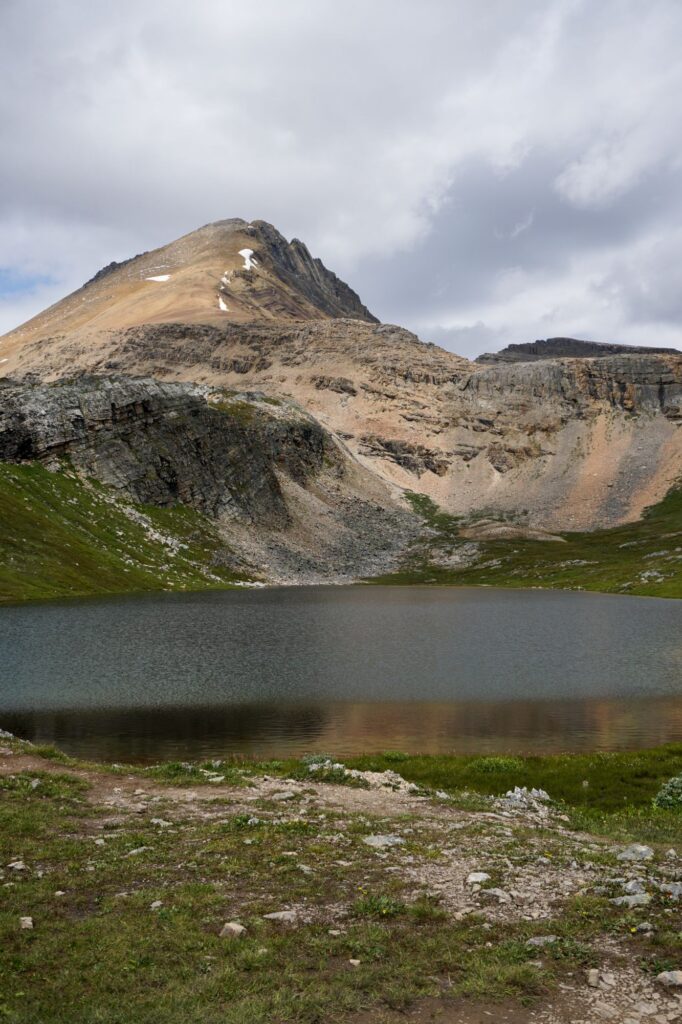
Helen Lake
Distance: ~12 km round-trip
Time: 4–5 hours
Difficulty: Moderate to Hard
Trailhead: Across from Crowfoot Glacier viewpoint
High alpine meadows filled with wildflowers in July, one of the most scenic day hikes in Banff.
Scenic Roadside Viewpoints:
Peyto Lake Viewpoint
Bow Lake
Crowfoot Glacier Viewpoint
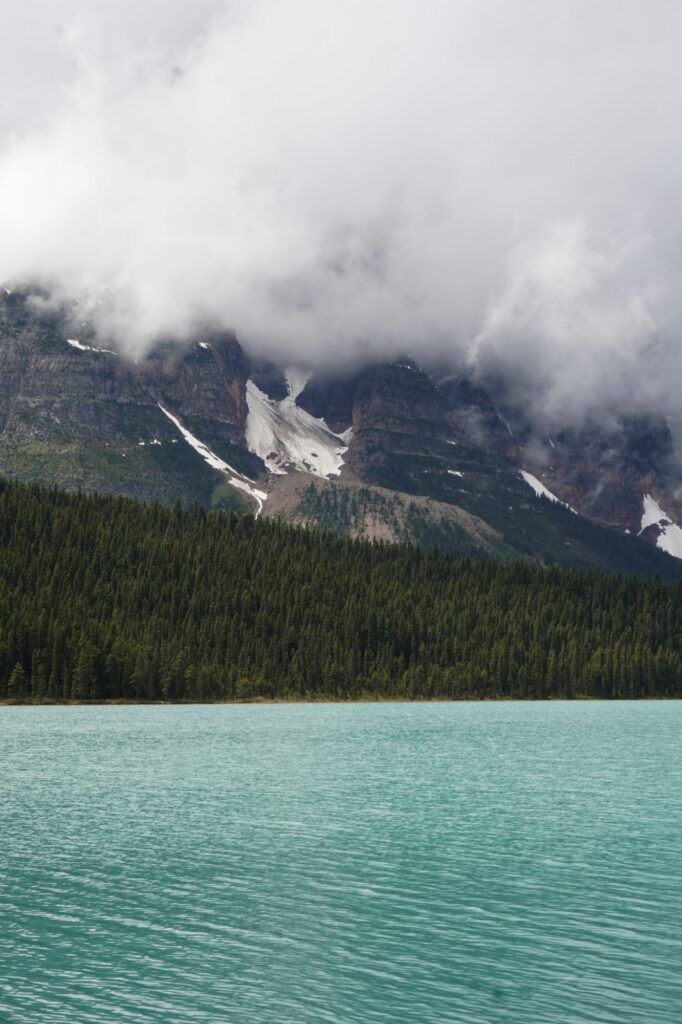
Waterfowl Lakes
These are all easy roadside stops perfect for breaking up your drive.
Final Thoughts
Glacier Lake is a hidden backcountry gem that offers stunning scenery, incredible solitude, and a manageable challenge for first-time backpackers. While it’s doable as a day hike, camping overnight rewards you with breathtaking sunrise reflections and a sense of peace difficult to find in more crowded parts of Banff.
If you’re ready to experience Banff beyond the crowds, this is the overnight hike to try.
Have you hiked to Glacier Lake? Share your experience in the comments below!
Looking for more backcountry inspiration?
Check out our guide to Assiniboine Provincial Park or browse our favorite overnight hikes in the Canadian Rockies.